

Good community management in Dubai starts with a simple promise: people should know who to contact, what happens next, and how an issue will be followed through. A clean entrance matters. So does a clear message when a lift needs work. Behind both sits a system of people, records and sensible decisions.
This guide explains how to organise that system in an apartment building. It is written for owners, residents and teams comparing community management services. You do not need a technical background to use it. Start with the everyday problems, build a clear plan, and ask for proof that the plan is working.
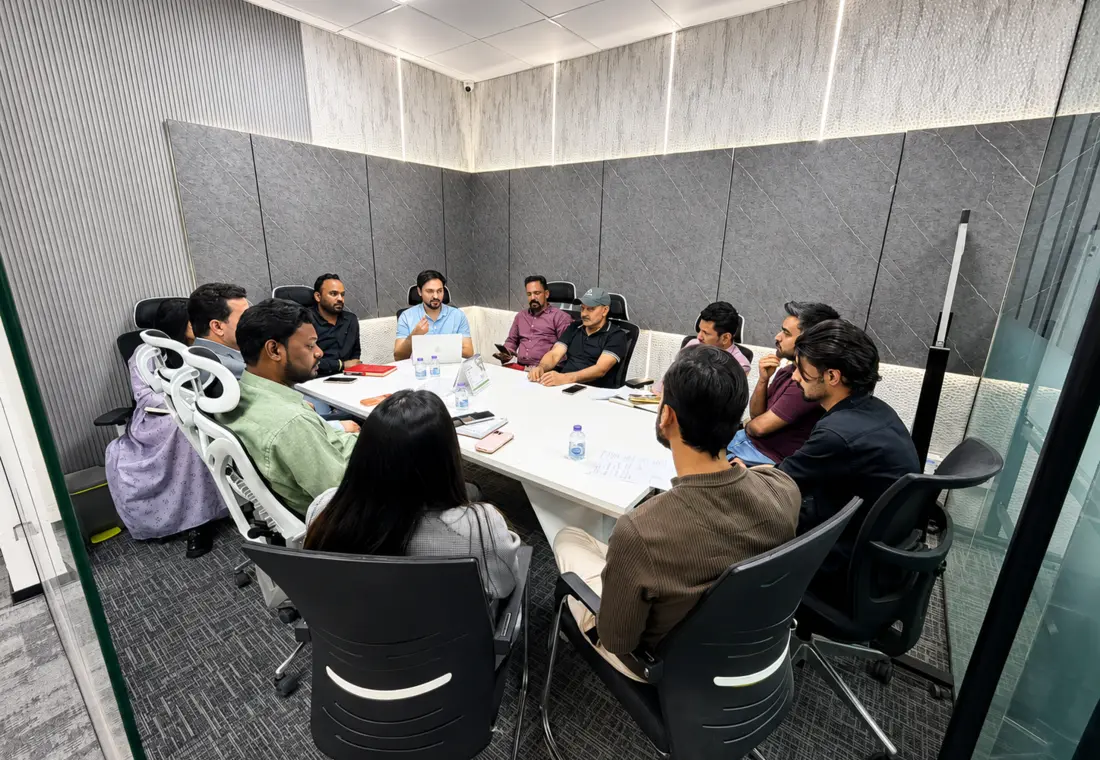
Community care starts with organised communication and practical follow-up.
What does community management mean?
Community management brings together the shared parts of building life. These may include resident questions, common areas, shared facilities, notices, contractor visits and complaints. The exact duties depend on the building and the agreed scope. A small block and a large community do not need identical plans.
Think of the manager as the person connecting the dots. A resident reports a problem. Someone checks it. The right team receives the task. An authorised person approves work when needed. Residents get an update. Finally, someone checks the result and records what happened. Missing one step can leave the same problem coming back.
For an overview of the services behind this process, read our community management service page. Use it as a starting point for a discussion about your building, rather than assuming that every task is included automatically.
Community, property and facility management
These areas work closely together, but each has a different focus. Property management may deal with occupancy, leases, collections and owner reporting. Facility management focuses on building systems, maintenance and contractors. Community management looks at shared living, communication and the way requests move through the building.
A blocked entrance can touch all three. Residents need clear access. A contractor may need to remove an obstruction. An owner may need a report about recurring delivery problems. Agree who leads each part. For more detail, compare our property management services with our facility management services.
Start with the building you actually have
A useful plan begins with a walk around the site and a conversation with the people using it. List the entrances, lifts, parking areas, corridors, waste areas and any shared facilities. Record how busy each space becomes and when problems tend to happen. A quiet lobby at noon may tell a different story from the same lobby at school pickup time.
Ask what residents find confusing. Perhaps visitors cannot find the right entrance. Perhaps move-in requests arrive at the last moment. Perhaps people send maintenance messages to several different phone numbers. These are practical problems. Each one needs an owner, a clear next step and a way to check whether the change helped.
Build a short starting file
Keep an asset summary, current contacts, existing contractor details, open issues and the agreed service scope together. Add building instructions that the team is authorised to share. Label each document with a date. Old contact lists and unclear file names waste time when a new employee or vendor needs to help.
Do not gather personal information just because it may be useful one day. Record what the task needs and keep it in an appropriate system. A notice about a lift does not need a list of residents' travel plans. Clear records should support the service without exposing people unnecessarily.
Give residents one clear route for requests
People should not have to guess where to report a problem. Set out the normal contact route, the information to include and the hours when that route is monitored. Explain any separate urgent route clearly. A channel described as urgent must be backed by a real, agreed response arrangement.
A good request includes the location, a short description, when the problem was noticed and a safe photo if helpful. Ask for access information privately when it is needed. A resident reporting a noisy door should not have to write a long essay. A few useful details are better than repeated messages with no location.
Use a simple request number
Give each request a reference. The record can then hold the updates, visit notes and result in one place. If a resident calls again, the team can find the history quickly. This also helps show whether three messages concern one unresolved issue or three separate faults.
Acknowledge the report in plain language. Say what was received, who will review it and when the next update is expected. Do not promise that a repair will finish before anyone has checked the problem. A realistic update builds more trust than a fast promise that cannot be kept.
Separate urgent risks from routine work
A request system needs more than a first-in, first-out queue. Some reports may involve an immediate risk to people or the building. Others affect comfort or appearance. The team needs an agreed way to sort them and clear instructions on when to involve qualified specialists or the appropriate emergency services.
Residents should keep away from exposed wiring, unsafe equipment, serious leaks near electrical items and other obvious hazards. They should not try to diagnose building systems themselves. This guide is about organising reports and follow-up. Repairs and safety decisions belong with properly qualified and authorised people.
Explain the next update, even when work takes time
A specialist may need a part or a second visit. A manager cannot always remove that delay. They can explain what is known, what is still being checked and when the next update will come. Write down the reason for a delay so the next person answering a call does not have to start again.
Keep messages factual. Say that a contractor is reviewing a fault when that is the current position. Avoid naming a cause before it has been confirmed. If residents need to use another route or avoid an area, give that practical instruction prominently and explain when it will be reviewed.
Make common-area care easy to check
Common areas are where residents see the service every day. A simple inspection route can cover entrance cleanliness, visible damage, lighting, signage, corridor obstructions and the condition of shared spaces. The purpose is to spot concerns and pass them to the right person, not to replace a specialist inspection.
Use the same route and clear location names. A note saying “light problem” is hard to act on. A note saying “second-floor corridor, outside lift lobby, light flickering” is much more useful. Add the time and a photo where appropriate. Record whether the issue has been reported before.
Check results, not only attendance
A contractor signing in does not prove that a task was completed well. Agree what a finished job should look like. For cleaning, that may include a checked area and a recorded concern about a damaged surface. For a repair, it may include a technician's findings and a follow-up check.
When a problem returns, review the history. Repeating the same visit without asking why may waste time and money. Your inspection and survey plan can help turn repeated observations into a clearer list of corrective actions and specialist checks.
Write notices that people can understand quickly
A useful notice answers five questions: what is happening, where, when, how it affects people, and who can help. Put the most useful information first. Residents checking a phone in a lift lobby should be able to understand the message without reading several long paragraphs.
For example, a planned corridor visit needs a location, a time window and any access change. It may also need a reminder to keep the area clear. Avoid vague wording such as “maintenance soon.” If the timing changes, update the original message so people are not left comparing conflicting notices.
Choose the right channel
Some messages belong on a noticeboard. Others need a direct message to affected residents. Sensitive complaints should stay in a private channel. Decide which team members can send building-wide notices and who checks them first. A short approval step can prevent wrong dates, unclear wording and accidental disclosure.
Use clear English and arrange appropriate language support for the community where needed. Keep key terms consistent across messages. If one entrance has a particular name, use that name everywhere. Residents should not have to work out whether “rear access” and “service gate” mean the same place.
Plan moves, deliveries and shared-facility use
Large deliveries and moves can affect lifts, doors, corridors and neighbours. A clear booking process helps the building prepare. Explain the notice needed, the information required and the arrangements the responsible team will confirm. Use the building's actual approved process rather than copying rules from another site.
Give residents a simple checklist: contact the correct team, share the planned date, confirm the approved access route, and pass the agreed instructions to the moving company. Record any pre-existing damage in the relevant area before work starts where that forms part of the agreed process.
Keep rules consistent and practical
Shared facilities need clear instructions that match the site. Explain how bookings work, where residents can find current opening arrangements and how to report damage. Changes should be communicated in advance where possible. A rule that exists only in one employee's memory is difficult to apply fairly.
When someone raises a concern about a rule, record the issue and send it to the authorised decision-maker. Avoid arguments at the reception desk or in a group chat. The management team should explain the current position and the route for review without making promises outside its authority.
Connect community issues with the budget
Good communication does not remove the need for careful spending decisions. A recurring door fault, damaged lobby seating or repeated call-outs may need a budget review. The team should be able to show what happened, what has already been spent and what options require approval.
Separate routine service costs from proposed improvements. A new feature may be appealing, but the discussion should include its care, operating needs and future upkeep. A clear record helps decision-makers compare options. Our budget management service explains the role of expense planning and reviewable reporting.
Ask for comparable proposals
When seeking quotations, give contractors the same written scope. Ask them to list what is included, what is excluded, access needs and the proposed timing. Otherwise, a lower number may simply cover less work. Keep the proposals and the approval together so the decision can be understood later.
Questions about service-charge obligations or legal responsibility need review against the applicable rules, documents and circumstances by an appropriate qualified adviser. The practical point here is to keep the operational evidence clear and the approval route visible, so the people making those decisions have the records they need.
What should a monthly community report contain?
A helpful report shows the condition of the service and the decisions needed. Start with a short summary. Then show new requests, completed requests, open issues, repeat problems and upcoming work. Explain any serious delay in ordinary language. A long table without context can hide the item that needs attention.
Include a few useful measures, such as how many requests remain open and how long they have been waiting. Define the terms. Does “closed” mean a contractor attended, the work was checked, or the resident confirmed the result? Everyone reading the report should understand the same thing.
Turn the report into an action list
Give each action a responsible person and a review date. Mark whether an approval is needed. Carry unfinished actions forward with their history, rather than dropping them from the next report. This makes meetings shorter because the team can discuss the decision instead of rebuilding the background.
Landlords who are often outside the UAE may also find our monthly property management plan for landlords away from Dubai useful. It looks at owner communication and reporting from a different angle, while this guide focuses on shared building life.
How to compare community management companies in Dubai
Start with the work you need, not a list of impressive phrases. Ask each company to explain how a report becomes a completed task. Request a sample report with private details removed. Ask who will visit the building, who handles resident messages and how cover works when someone is absent.
Check the proposed boundaries carefully. Which services are included? Which need separate approval? What specialist work is outside the team's role? What information will the owner or authorised building representative receive? Clear answers help prevent disappointment after the service starts.
Questions worth asking before appointment
Who is the named lead for our building?
How are urgent reports separated from routine work?
What evidence is kept when a job is closed?
How do residents receive updates?
How are vendor proposals and approvals recorded?
What happens to the records if the management arrangement changes?
Ask for examples that fit the scale of your building. A system that works for a large community may feel heavy in a small block. The right arrangement should make tasks clearer, not bury residents and staff under forms that do not help them.
A practical first-month plan
In the first week, agree the contacts, service boundaries and urgent reporting route. Review the open issues and walk the shared areas. During the next week, organise the request log, notice process and contractor information. Keep the early plan realistic so the team can complete it alongside daily work.
In the third week, review recurring problems and check a sample of closed tasks. Ask residents whether they know how to raise a request. At the end of the month, share a short report showing what changed, what remains open and which decisions are needed next.
A small example: repeated lobby door problems
Imagine that residents keep reporting a lobby door that does not close properly. The first step is to record the location and time, then arrange a qualified check. The manager also checks previous reports. The contractor's findings, approved work and result all belong in the same record.
If the fault returns, the history helps the team ask better questions. Was the earlier work completed? Is there another cause? Is a different approval needed? Residents receive an update about access arrangements while the issue is reviewed. This is where a simple process becomes useful in real life.
A weekly review that takes the pressure off reception
Set aside a short, regular time to review the request list. Begin with the oldest open items and any recurring concern. Ask what is blocking progress. Perhaps a contractor needs access, an owner needs to approve a proposal, or the team is waiting for a report. Record that blocker beside the task rather than in a separate conversation that others cannot see.
Then look ahead. A planned move, inspection or shared-facility closure may need a notice before the next meeting. Decide who will prepare it and who will check it. Give reception the same information so residents receive consistent answers. This small habit can reduce the number of calls passed from person to person.
Listen to the quiet feedback too
Not everyone raises a formal complaint. A resident may mention that a sign is hard to read or that delivery drivers often wait at the wrong entrance. Record useful observations without turning every comment into a major project. Group similar points, check whether the problem affects others, and decide which changes are practical.
When an improvement is made, tell residents what changed. A short note about clearer visitor directions or a better request process shows that feedback was heard. Avoid claiming that everyone is satisfied. Invite people to report any remaining difficulty through the normal route so the team can check it properly.
Keep a useful handover note
Before a staff change or period of leave, prepare a brief handover. It should show current issues, promised updates, upcoming visits and the contacts needed for each task. Store the note with the normal records. The person taking over should be able to answer the next question without asking a resident to repeat the whole story.
Review the handover after the first few days. Missing information is a sign that the process needs a small adjustment. Building that feedback into normal work helps the service stay dependable even when individual team members change.
Ten frequently asked questions
1. What is community management in an apartment building?
It is the organisation of shared building life, including resident communication, common-area concerns and request follow-up. The exact duties should be written in the agreed scope. The aim is to make it clear who receives an issue, who acts on it and how the result is checked.
2. Is community management the same as property management?
The work can overlap, but the focus differs. Property management may cover an owner's occupancy, lease and reporting needs. Community management focuses on shared spaces and residents' experience. Ask the provider to explain which tasks sit in each part of the proposed service.
3. How should residents report a problem?
Use the building's agreed contact route. Give the exact location, a short description and the time the issue was noticed. Add a safe photo if it helps. Use the separate urgent route when appropriate, and keep away from equipment or areas that appear unsafe.
4. What should a good building notice include?
Include what is happening, the affected location, the time window, the effect on residents and a contact for questions. Use short sentences. If the plan changes, update the message. Avoid sharing a resident's private details when a general building notice will do the job.
5. How often should common areas be checked?
The right frequency depends on the space, its use, the agreed service and specialist requirements. A busy entrance may need a different routine from a rarely used room. Ask for a written plan showing who checks each area and how concerns are recorded and passed on.
6. What should happen after a contractor visit?
The record should explain the findings, the work completed and any next step. Attendance alone is not a useful closing test. Check the agreed result, keep relevant evidence and tell the affected people what happens next. If another visit is needed, record why.
7. Can one team manage communication and maintenance coordination?
Yes, an integrated arrangement can connect these tasks, provided the duties and authority are clear. Specialist work still needs suitable qualified people. Ask who coordinates each stage, who approves spending and how information moves between the office, site team and residents.
8. What belongs in a monthly community report?
Include a short summary, new and open requests, completed work, repeat problems, upcoming visits and decisions needed. Define any measures used. The reader should be able to see what needs attention without searching through pages of unexplained numbers or duplicate messages.
9. How can a small building improve without a complex system?
Start with one reporting route, a simple request log, named responsibilities and clear notices. Review a few open tasks regularly. Even a small team can improve follow-up when everyone uses the same location names and keeps the next action with the original report.
10. How can Friends review our building's needs?
Share the building type, location, number of units and current concerns through our contact page. For a wider management discussion, use the management review request. The next step is to agree a suitable scope, responsibilities and reporting plan for your asset.
Make the next step clear
Reliable community management is built from ordinary actions done consistently: receive the report, record the facts, assign the work, communicate the next step and check the result. Start with the part of your building's daily routine that causes the most confusion. A clear improvement there can make the whole service easier to understand.